


Sullivan County, Indiana - A proposed large-scale industrial development on the western side of Sullivan County, presented under strict confidentiality agreements has triggered intense local scrutiny.
Residents and observers are questioning whether it is a data center, along with its potential impacts on water, power, community resources, and the broader motivations behind Indiana's rapid expansion of AI and tech infrastructure.
A Mysterious 1,000-Acre Project Emerges in Western Sullivan County
NDA-bound presentation hints at data center while promising no tax breaks and developer-funded upgrades.

Jack Ammerman, a Stantec consultant representing Brooklyn Industrial Park LLC, described the project to Sullivan County Commissioners as a roughly 1,000-acre light industrial facility in early planning and due diligence stages. He noted that only about half the land is usable due to protected wetlands and floodplains. Ammerman stated the project would have "a consistent use throughout the facility" and confirmed he was bound by an NDA with his client.
When a resident directly asked if it was a data center, Hammerman replied: “Yeah, at this time, I'm bound by my client's request, and, again, we're very early in the planning stages.”
He emphasized that the project aims to be a good community neighbor without seeking tax incentives:
“The project is not seeking any tax … whatsoever from the company.”
Infrastructure costs, including any upgrades, would be covered by the developer, preferably using local contractors, with plans for private wastewater services. Water usage would be minimized and, according to Ammerman referencing INAW, comparable to or less than a few multi-family buildings, with no major utility upgrades required.
The developers allege the project would create around 400 full-time local jobs. However, Ammerman could not provide details on whether these would be permanent operational positions or include temporary construction roles, deferring due to the early stage.
It is worth noting that traditional data centers typically involve 200–400 (or more) construction workers during the build phase, which lasts 1–3 years or longer for large projects; once construction ends, those jobs conclude. Operational data centers often employ far fewer permanent staff, commonly several dozen to around 100 on-site (such as technicians, facilities managers, and maintenance workers), with many roles potentially remote or filled by contractors rather than local hires.
The exact meaning of "permanent," the types of jobs, whether they would be exclusively available to the local community, or if workers might be brought in from out of state remains unconfirmed and unclear at this preliminary stage.
Separate Talks Point to Multiple Data Center Prospects
Shelburn meeting reveals 500,000–1M gallons daily water use and developer offers to fund line upgrades

Separate discussions at a Shelburn Town Hall meeting referenced potential data centers requiring 500,000 to 1 million gallons of water per day, with developers offering to fund upgrades to a six-inch line over one to two miles. Construction for those projects was estimated to create about 150 direct jobs.
These details strongly suggest the Industrial Park proposal may be a data center, though no official announcement has confirmed the developer, tenant, or exact nature beyond the NDA-protected presentation. This fits within Indiana's broader surge in data center proposals (e.g., Meta's $10B+ campus in Lebanon and Amazon's Project Rainier), fueled by AI's massive demands for power and cooling.
No direct public fund allocations to the proposed industrial/data center project have been disclosed, as it seeks no tax incentives and plans developer-funded upgrades.
Conflicts of Interest: Investigating the Intersections of Private Interest and Public Duty Within Our Community Dealings
Commissioner roles, long-secret talks, limited zoning, and NDA secrecy raise serious concerns about transparency and oversight.
Questions have surfaced regarding potential overlaps between public roles and project discussions. Commissioner Bob Davis, president of the board, expressed interest in and was appointed chair of the vacant redevelopment commissioner position, seconding his own nomination motion.
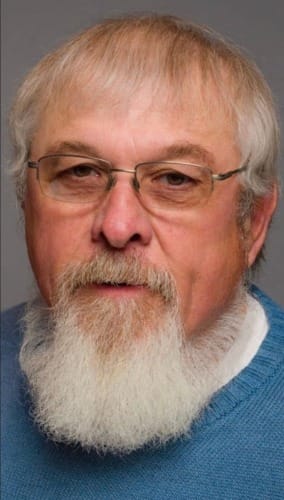
Davis noted lengthy timelines for project talks:
“We talk to companies for years before bringing projects,”
Confirming years of discussions similar to prior solar efforts. When residents pressed whether commissioners had already been in talks with this company for years, Davis affirmed:
“Yeah, we were just saying, for years, there was discussions with Solar before the solar project. A project like this doesn't just happen overnight. We may be talking for years.”
Deann Talley outlined the lack of county zoning: Once private land is acquired or leased, county oversight is limited for land use, even for high-impact projects.

“If they've already purchased land or signed the lease agreement, the county has no say, really?” she confirmed.
A January ordinance requires road use agreements for industrial developments, which could potentially reveal company names but not operations. Hammerman stated no known commissioner NDAs exist and that real estate commitments could change if the project relocates.
Residents challenged the use of NDAs:
“Why is it that they have these NDAs for projects that ultimately affects the entire community?”
Ammerman defended the practice as standard in early site evaluation—where nothing is final and projects could move elsewhere—but promised more public disclosure as details solidify, potentially including forums.
Key Meetings Ahead: Where Answers May Emerge
Upcoming Commissioner, redevelopment, and executive sessions could bring developer names and public discussion
Upcoming meetings may provide more clarity:
- Sullivan County Commissioners meeting: Monday, March 2, 2026, at 9 a.m. in the courthouse, with a credible but unverified report that representatives from two proposed data centers would attend.
- Sullivan County Redevelopment Commission Regular Meeting: Tuesday, March 3, 2026, at 5:30 p.m.


